
At the weekend I was in the swimming pool with my three-year-old granddaughter Arra, when I noticed something that made me smile.
She wasn’t just splashing in the water or clinging to the side. She was watching. Her eyes moved from child to child, taking in what they were doing, how they were behaving, and what seemed acceptable or fun. The good thing is that she quickly returned to being herself, having fun her way. This event made me reflect on my past readings that the older we get the less likely we be ourselves and rely heavily on others for direction.
The swimming pool was a beautiful reminder that human beings are social learners. Long before we can read a rulebook or understand a policy, we learn by observing the people around us. We watch faces, follow behaviour, imitate actions, and search for signals about what is safe, normal, and expected. Psychologists call this social learning and social referencing. It begins in infancy and continues throughout our lives. However, as I state above as we get older conformity becomes a challenge when we rely on others to guide us. This is especially true in peer groups.
Arra is nearly four and in the last 18 months or, so I’ve been ‘working on her’. US Psychologist Catherine Sanderson suggests that moral rebels aren’t born, they are created. Together with the knowledge of conformity, I began a kind of training course and enrolled Arra. She doesn’t know this however in all my time with her that’s been a fun focus for me. A few things I’ve observed in recent weeks confirm that it’s landing with her.
In workplaces, teams, families, and communities, we are constantly scanning the environment for cues. We ask ourselves questions such as:
How do people behave here?
What gets rewarded?
What gets ignored?
What happens to those who speak up?
Will anyone stand beside me if I challenge something?
These questions sit at the heart of active bystandership.
The Problem Isn’t That We Follow Others
When discussing harmful behaviour, we often talk about conformity as though it is inherently negative, it’s not. Conformity is one of the reasons human beings survive and thrive. Imagine if nobody learned from others. Every generation would have to rediscover how to communicate, cooperate, and solve problems from scratch.
Following social norms allows groups to function. It creates trust, coordination, and belonging. The problem arises when the norm itself becomes unhealthy. A team may normalise disrespectful humour. A workplace may normalise exhaustion. A friendship group may normalise violence. An organisation may normalise silence. In those environments, people do not necessarily agree with the harmful behaviour. They simply see that nobody else is challenging it. Silence becomes information. This is one of the most important lessons from social psychology.
Researchers such as Solomon Asch demonstrated how powerfully people conform to group pressure, while Albert Bandura showed how much we learn through observing others. Alan Berkowitz later highlighted that people frequently misperceive what others believe and do. We may think everyone is comfortable with a situation when, in reality, many people are privately uncomfortable. That misunderstanding can be dangerous.
Why Good People Stay Silent
The phrase bystander effect is often used to explain why people fail to intervene. While it contains truth, it can become too simplistic if we stop there. Most people who remain silent are not indifferent. They are often navigating a complex mix of emotions and pressures:
Fear of retaliation.
Fear of embarrassment.
Uncertainty about what they witnessed.
Concern about damaging relationships.
Deference to hierarchy.
Lack of confidence in what to say.
Doubt that anyone will support them.
In other words, many bystanders are caring people who feel trapped. This is why simply telling people to “have courage” is not enough. Courage matters, but culture matters too. A person standing alone against a hostile crowd faces a very different challenge from a person speaking up in a supportive team.
The Poolside Question
Watching my granddaughter, I found myself asking a simple question: If human beings naturally look to others for guidance, what kind of guidance are we providing?
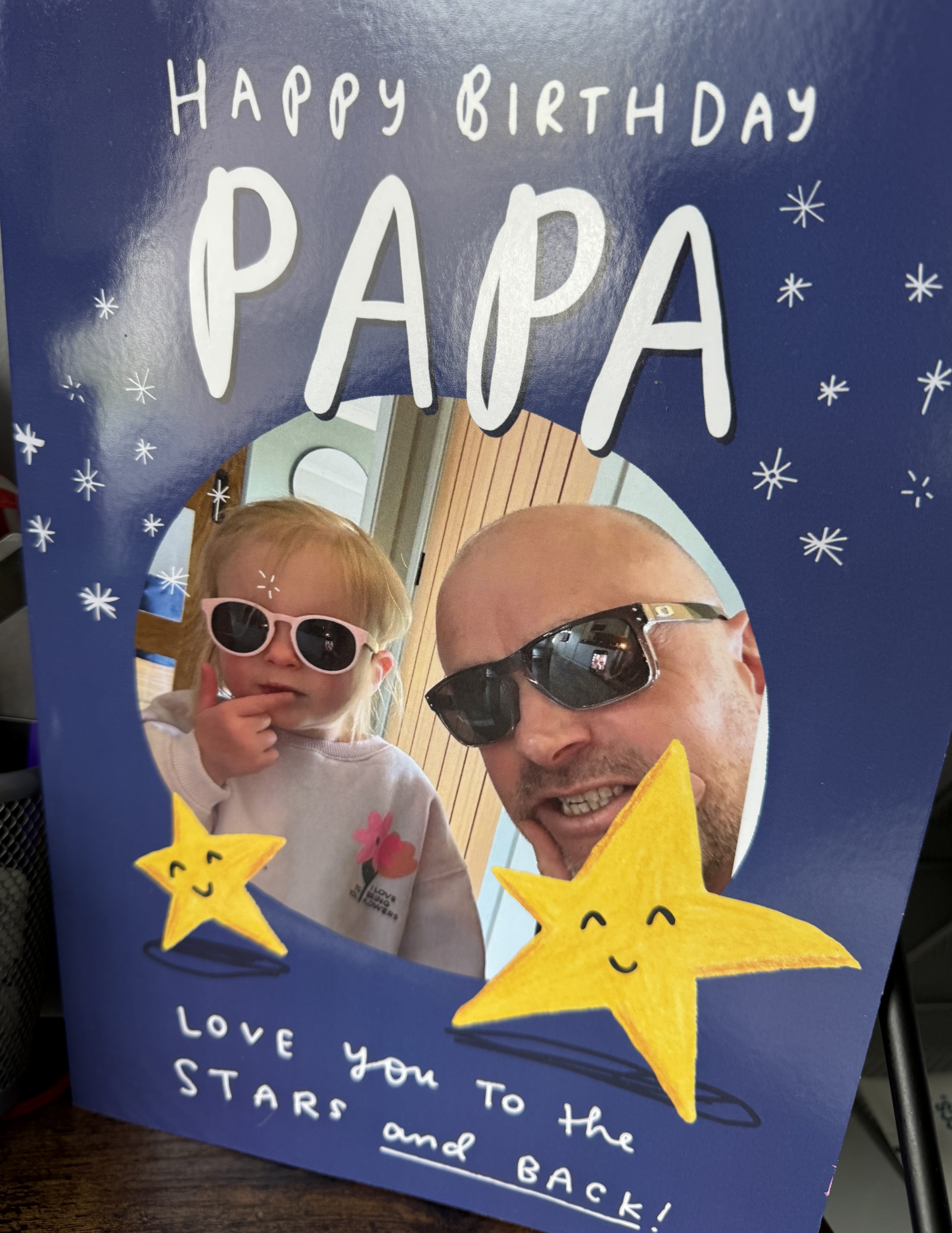
My input with Arra has focused on standing out. We do silly things together. We sing songs together. We watch TV together and talk about scenes when kindness is shown. Arra looks after my two little Dachshund’s, Dolly and Mabel. She feeds them, strokes them, bathes them but also leaves them alone when they want to be left alone. Simple lessons but effective ones.
Every workplace teaches lessons. People notice who gets promoted. They notice who gets interrupted. They notice whether leaders listen. They notice whether complaints disappear into a black hole. They notice whether kindness is valued or dismissed. Adults learn from the culture. The encouraging news is that conformity works both ways. If people can conform to silence, they can also conform to courage.
Here’s some lessons for you to try in your workplace.
1. Make Caring Visible – People are heavily influenced by what they believe others are doing. When organisations consistently share stories of colleagues supporting one another, checking in on someone who is struggling, or intervening respectfully when something feels wrong, they send a powerful message: This is who we are. Healthy norms become visible, and visible norms become contagious.
2. Remove Ambiguity – Many harmful situations persist because people are unsure whether intervention is appropriate. Clear expectations help enormously. Teams should know: What unacceptable behaviour looks like. What early warning signs look like. What options are available to a bystander. How concerns can be raised safely.
Clarity reduces hesitation.
3. Build Psychological Safety – People speak up when they believe they will be heard rather than humiliated. Leaders create psychological safety when they: Invite challenge, admit mistakes, respond to concerns with curiosity, thank people for raising difficult issues and protect those who speak up in good faith.
A culture that says, you can speak here, is a culture where intervention becomes more likely.
4. Teach Practical Skills – Wanting to help and knowing how to help are different things. Bystander training should provide simple, realistic options which work. Such training should be conducted in groups and not through an e-learning platform. The discussions you create help to develop a sense of permission to act. These approaches give people a toolkit rather than a slogan.
5. Remember That One Voice Matters – One of the most hopeful findings in conformity research is that a single dissenting voice can dramatically reduce blind conformity. When one person says, I’m not comfortable with this, others often discover they were thinking the same thing. Courage is contagious. So is compassion.
Creating the Crowd, We Need
There is a tendency to imagine that the answer to harmful behaviour lies entirely in identifying bad individuals. Of course, accountability matters. But if we ignore the environment, we miss a huge part of the picture. Most people want to belong. Most people are good people. Most people want to be accepted. Most people take their cues from the people around them. The question, therefore, is not whether people will follow social norms. They will. The real question is: Which norms are we building?
Are we creating workplaces where people laugh along to avoid standing out? Or workplaces where people feel able to say, That isn’t, okay? Are we creating teams where asking for help is seen as weakness? Or teams where supporting one another is considered professional? Are we creating cultures where silence protects reputations? Or cultures where speaking up protects people?
A Final Reflection
As I watched my granddaughter in the water, I was rewarded through her individuality, but I also got a sense of her interactions with other children. I see the good in this, however I’m also aware of how, as she gets older, this might result in the opposite.
That small moment captured something profound about being human. We are shaped by the people around us. We borrow courage from others. We borrow fear from others. We borrow kindness, cynicism, generosity, and silence from others. Every group teaches its members what is normal.
Active bystandership is not simply about heroic individuals stepping forward at dramatic moments. It is about creating everyday environments where the expected response to harm is care, where challenge is welcomed, and where doing the right thing is supported by the crowd rather than punished by it.
The child in the swimming pool is learning from the group. So are we, and perhaps the greatest responsibility of leadership, parenting, friendship, and community is this: to build cultures that make the safest, kindest, and most courageous behaviour the behaviour that others naturally follow.
 grahamgoulden.com