
Last week i was thanked by a number of women about my work to help prevent men’s violence against women and girls. Whilst it’s nice to be thanked I have to admit feeling a bit of discomfort. My discomfort in the main stemming from my realisation that my past silence will have contributed to ongoing issues of harm and abuse.
As a man working in the field of sexual violence and domestic abuse prevention, I think it is important to reflect on the space I occupy, the contribution I make and, perhaps most importantly, whose shoulders I stand on.
There is something we must never lose sight of: women have been leading this work for generations.
Long before many men began talking openly about misogyny, sexual violence, domestic abuse and gender inequality, women were campaigning, researching, supporting survivors, challenging institutions and demanding change. Much of what we understand today about violence against women has been shaped by their courage, expertise and determination. I would actually add that the work of women helped boys and men both then and now.
We must never confuse our arrival with the beginning of the movement.
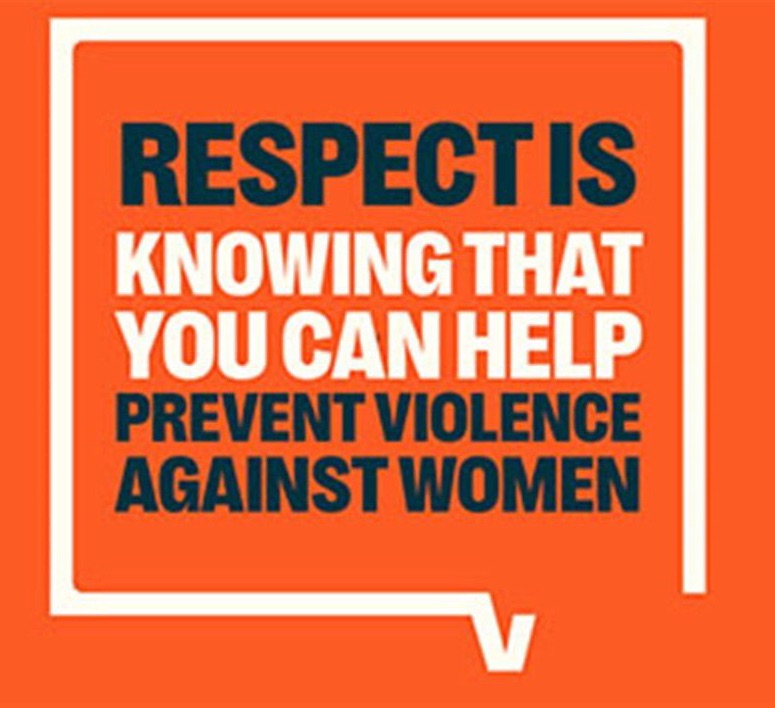
I believe men have an important role to play in preventing violence against women.
We need more men talking to men. We need men challenging misogyny, confronting harmful behaviours and recognising that prevention is not something we can simply leave to women.
But there is an important distinction between contributing to this work and taking ownership of it. Having a voice is not the same as having the right to dominate the conversation.
Recognising our privilege
As men, we need to acknowledge that our voices can sometimes be amplified more easily. We may find it easier to get into rooms, attract attention, secure funding and influence organisational decision-making.
This isn’t necessarily because we have greater expertise or better ideas. It is partly a reflection of the very gender inequalities we are trying to address.
Sometimes that means stepping forward and challenging harmful behaviour. Sometimes it means stepping back and creating space for others.
Recognising this brings responsibility.
Being an effective male ally isn’t about becoming the loudest male voice in the room. It is about using whatever influence we have to make sure women’s voices are heard.
Knowing the difference matters.
Our behaviour must reflect our message
There is an uncomfortable contradiction when men working in violence prevention fail to recognise or acknowledge women’s contributions.
We cannot credibly challenge cultures characterised by male entitlement, dominance and the marginalisation of women while reproducing those same dynamics in our professional relationships. This can happen in seemingly small ways.
Taking credit for ideas developed by women. Speaking over female colleagues. Failing to acknowledge their expertise. Prioritising male speakers at conferences. Expecting women to educate us about their experiences while overlooking the emotional labour involved.
These behaviours matter.
If we want to create cultures where women are respected, listened to and valued, then those principles must be visible in how we work alongside women. Our practice must reflect our message.
The importance of listening
As a man, I can research sexual violence and domestic abuse. I can understand the evidence, develop interventions, deliver training and encourage other men to take responsibility.
I can draw on my professional experiences and use my influence to challenge harmful behaviour. But I cannot claim to understand what it feels like to navigate the world as a woman experiencing these harms. That requires humility.
It means listening to women’s experiences without becoming defensive, dismissing uncomfortable messages or immediately trying to explain things from a male perspective.
It also means recognising that women are not a homogeneous group. No individual woman should be expected to speak for everyone.
We have much to learn if we are prepared to listen. It’s what you learn after you think you know it all that matters.
Where active bystandership fits
This is where I believe active bystandership has an important contribution to make.
We need men who are prepared to intervene when they witness women being undermined, dismissed, harassed or excluded. We need men challenging other men, including in environments where women are not present. We need to move beyond simply agreeing that violence against women is unacceptable and become more confident and capable of doing something about the attitudes and behaviours that enable it.
Prevention requires collective responsibility. It also requires us to recognise that supporting women’s leadership is itself an important part of changing culture.
We don’t need to be the heroes
I don’t believe men should be silent in this work. Quite the opposite. We have an enormous responsibility to speak, challenge, intervene and encourage other men to do the same.
But we don’t need to be the heroes of this movement. We need to be responsible participants in it.
Women have been leading this work for generations. We should acknowledge that, celebrate it and actively support the next generation of women leaders.
Perhaps there is a simple principle every man working in this field should remember: Don’t just use your voice to speak about violence against women. Use your influence to make sure the voices of women are heard.
That is what meaningful allyship looks like.
And it is a good place for men to start.

