
Every year, International Women’s Day arrives with speeches, hashtags, panels, and the familiar promise that this will be the year things shift. The energy is genuine. The intentions are usually sincere. Yet culture, real culture, doesn’t move because of declarations. It moves because everyday people decide to act differently in everyday moments.
The theme this year is ‘Give To Gain’, a powerful reminder that actions speak louder than words. In my view this is where active bystandership enters the story.
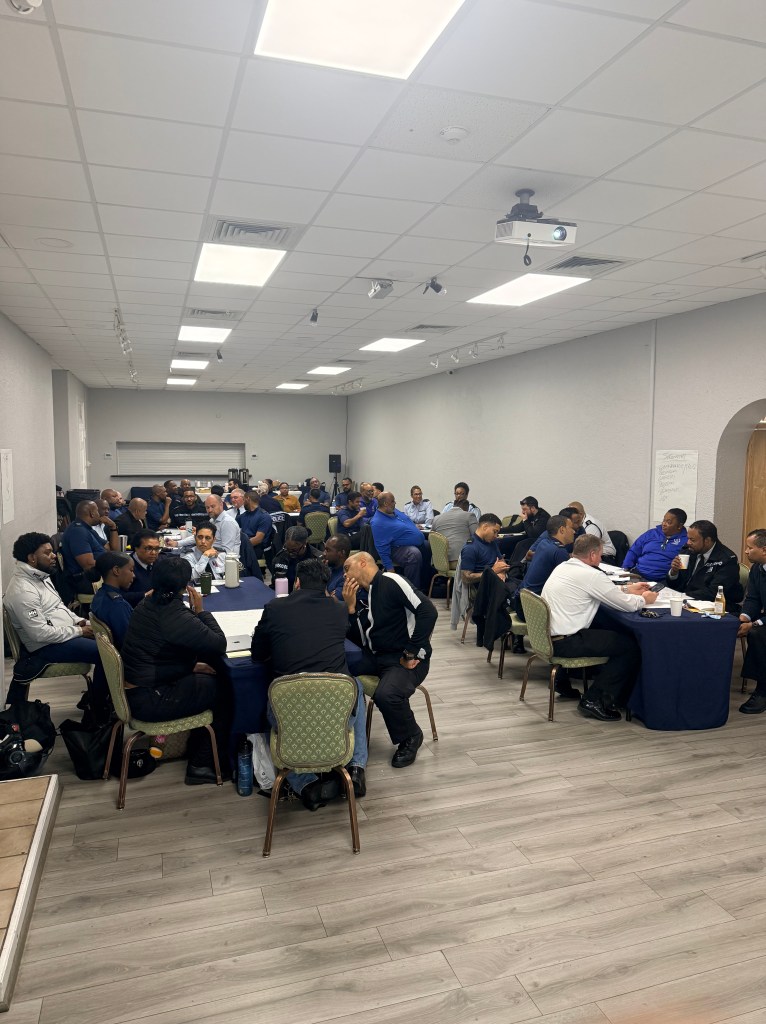
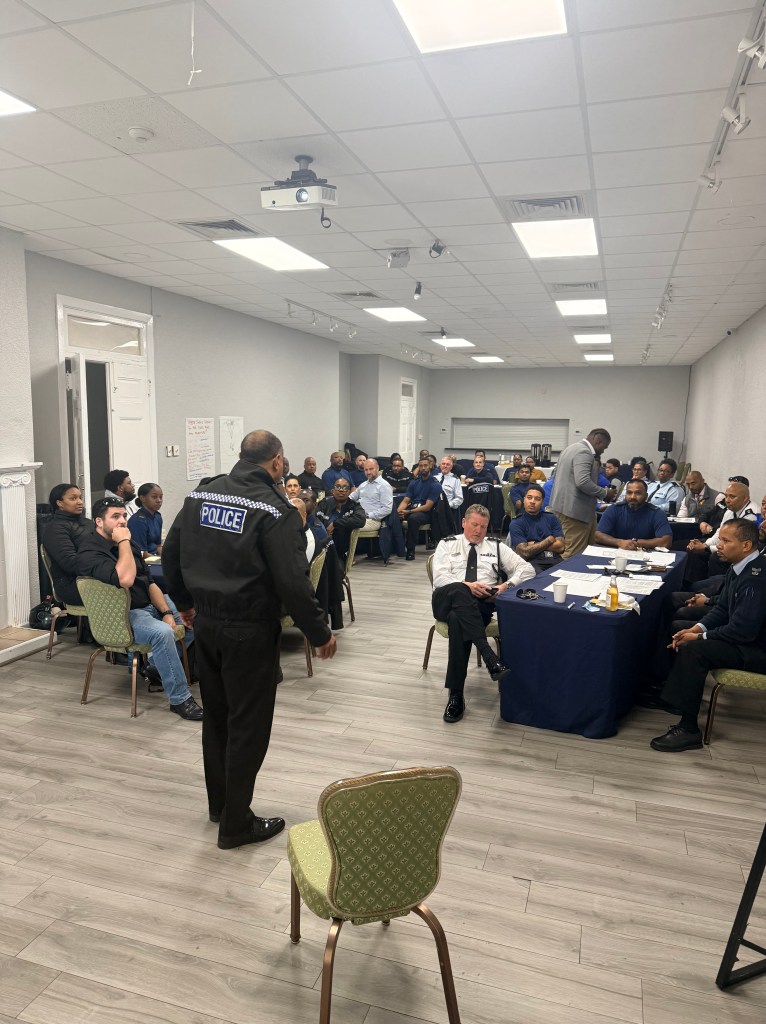
These past three weeks I’ve found myself working with police both in Cyprus and Bermuda. Supported by the Foreign and Commonwealth and Development Office (FCDO) and Investigo I’ve taken my ASOne Programme and the science of ‘Active Bystandership’ to these settings.
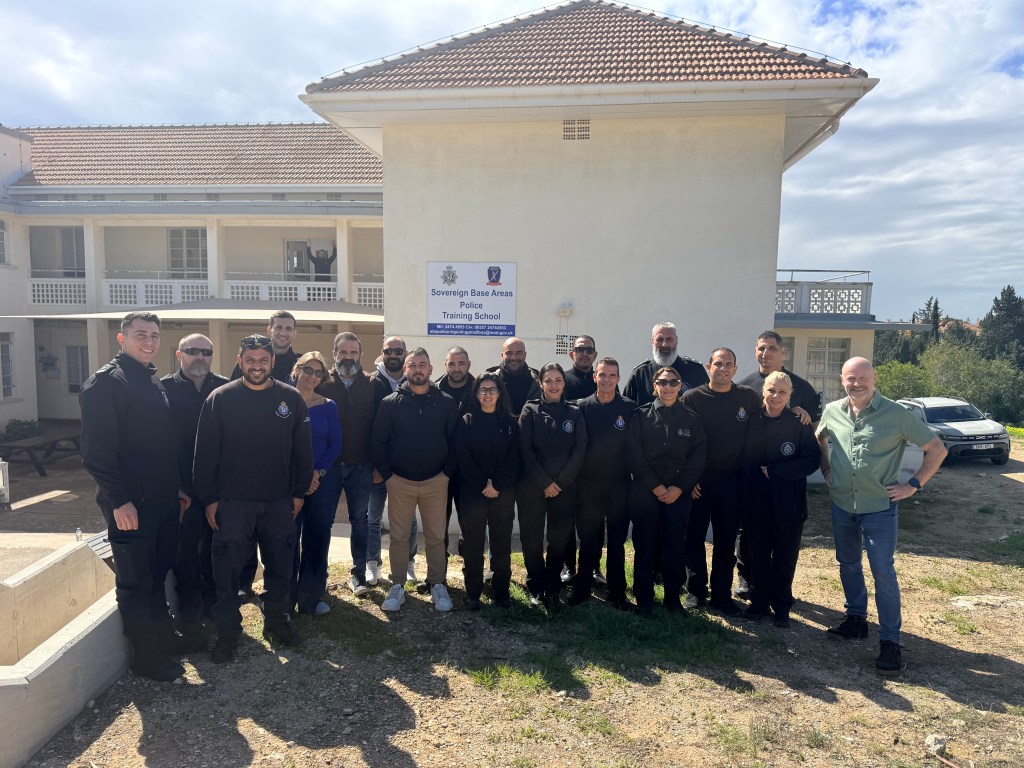
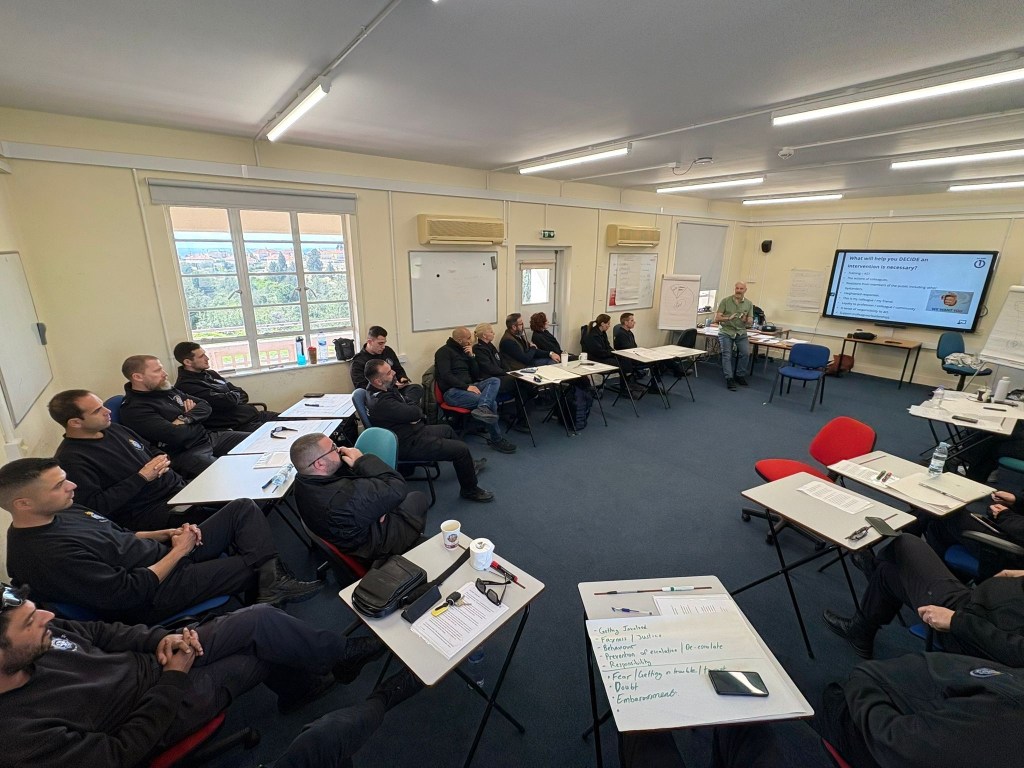
As some who has used bystander approaches for the last 16 years I know the power of using this approach across many settings. In likes of policing the focus helps me to engage men in a way that helps to steer them through the discomfort of past behaviours as well as addressing times when they have remained silent when peers have used derogatory and sexist language. My work tells me that most men deeply care about these issues but still struggle to speak up. The outcomes are clear, a lack of allyship, mistrust, emotional and physical harm, an unsafe workplace and a lack of trust in policing overall. The opposite is clear, when people speak up everyone benefits.
Active bystandership is the simple but powerful idea that when we see something that undermines dignity, fairness, or safety, we don’t default to silence. Instead, we use our position, whatever it is, to support others and challenge harmful behaviour. The concept draws heavily on decades of research around the Bystander Effect, famously explored after the tragic Murder of Kitty Genovese in 1964. Psychologists realised something unsettling, people are often less likely to act when others are present. Responsibility diffuses. Everyone assumes someone else will step in. In likes of policing cultures this should be a real concern for police leaders, officers, police staff and the public alike.
But the fascinating twist is this, the bystander effect is not destiny, not inevitable. It is a tendency, and tendencies can be retrained. In the context of gender equality, that retraining matters enormously.
Many of the barriers’ women experience today are not always loud or dramatic. They live in smaller moments. The meeting where a woman’s idea is ignored until a man repeats it. The joke that relies on a stereotype. The promotion discussion where “leadership potential” mysteriously seems to mean something different depending on who is being assessed. These moments rarely trigger formal complaints. They often pass quietly, which is precisely why bystanders, especiall,y male ones, matter.
When cultures rely solely on victims speaking up or leaders enforcing rules, most harmful behaviour remains invisible. Active bystandership redistributes responsibility across the entire community. Instead of asking women to carry the burden of challenging bias alone, it invites everyone, especially men, to participate in creating fairness. Remember the biggest influence on personal behaviour is peer behaviour.
Think of culture like a forest ecosystem. Every element shapes the environment in tiny ways. A fallen tree changes sunlight patterns. A small shift in the soil chemistry alters what grows nearby. Social environments behave in much the same way. Small behavioural signals accumulate until they redefine what feels normal. Workplaces are places where signals occur daily. Active bystandership works by changing those signals.
Consider a simple meeting scenario. A woman presents an idea. It receives little response. Ten minutes later someone else, a man, repeats the same suggestion and suddenly it lands well. A passive culture lets the moment drift by. An active bystander might simply say: “That builds on the point Sarah raised earlier.” The correction is small. No drama. But the effect is significant. Credit returns to where it belongs, and everyone in the room receives a subtle reminder about fairness. Moments like that reshape expectations.
Psychologists sometimes describe social behaviour through the lens of norms, unwritten rules that guide how people think others expect them to behave. One person challenging a biased comment may feel uncomfortable. Two or three doing it regularly transforms the perceived norm entirely. Suddenly the behaviour that once passed unnoticed becomes socially awkward. This is how cultures move. A tipping point is achieved.
Research by social psychologist Catherine Sanderson shows that people are far more likely to intervene when they believe others support intervention. In other words, courage is contagious. When one person speaks up, they quietly give permission for others to do the same. There’s that tipping point again.
International Women’s Day often highlights the role of leaders in creating inclusive environments. Leadership absolutely matters. But active bystandership reveals something equally powerful, culture is not built only from the top down. It grows sideways and upwards, through peer behaviour. Colleagues shape each other’s expectations every day.
Imagine a workplace where interrupting women is gently but consistently challenged. Where sexist humour meets a calm but clear “not funny.” Where meetings are structured so every voice is invited. Where credit is carefully attributed. Where people actively check in if someone appears uncomfortable in a conversation. None of these require formal authority. They require attention and willingness and perhaps the most important ingredient: allyship.
Allyship is often misunderstood as a label. It is simply a pattern of behaviour. An ally is someone who uses their social position to support others when it matters. For men in particular, active bystandership provides a practical way to demonstrate that support.
When men challenge problematic behaviour among other men, the impact can be profound. Social identity theory suggests people are often more receptive to feedback from members of their own group. That means a quiet word between peers can shift behaviour in ways that formal policies sometimes cannot.
This is especially relevant in male-dominated environments where informal norms carry significant influence. There is also an interesting paradox here. Many people stay silent not because they agree with harmful behaviour, but because they fear social consequences, looking overly sensitive, creating conflict, or misreading the situation. Ironically, this shared hesitation can create the illusion that nobody objects. Active bystandership breaks that illusion.
Once someone signals that a behaviour crosses a line, others often feel relief rather than resentment. The silent majority finally has a voice. In behavioural science terms, the intervention resets the perceived norm. From that point forward, the environment shifts.
None of this means every moment requires confrontation. Skilled bystanders use a range of approaches: humour, curiosity, redirection, private conversations, or simply amplifying the voices of others. The goal is not moral grandstanding. The goal is protecting dignity and fairness while keeping relationships intact. Over time, these micro-interventions accumulate. With clear support from others allyship is maintained and promoted.
Think again about ecosystems. One raindrop changes nothing. Thousands reshape landscapes. Culture behaves in the same way. A single act of allyship may feel small, but repeated acts create psychological safety, the sense that people can contribute fully without fear of dismissal or ridicule.
For women, that safety changes everything. Ideas surface more freely. Leadership confidence grows. Talent stays rather than quietly leaving environments where their voice feels diminished.
For organisations, the benefits are equally tangible. Diverse teams perform better when every member feels able to contribute. Creativity expands. Blind spots shrink. Innovation accelerates. As I say above, everyone benefits.
So perhaps the most powerful message for International Women’s Day is this: culture is not built during annual events. It is built on Monday morning and how it continues into Tuesday, through Wednesday, Thursday and /Friday before reflecting at the weekend and continuing into the next week and beyond.
It lives in meeting rooms, corridors, group chats, and everyday conversations. It lives in the moments when someone decides that silence is no longer the easiest option. Active bystandership transforms those moments from awkward interruptions into acts of collective leadership. Each intervention says something quietly radical: we look out for each other here. When enough people make that decision, again and again, the tipping point arrives. What once felt brave becomes normal. What once passed unnoticed becomes unacceptable.
That is how allyship becomes culture.
These past three weeks I’ve helped many men share their concerns., their fears and ultimately their care for the women they both work with, live with can care for. When we create the right conversations, men find it easier to become the ally that is needed in this at times unequal world. Men don’t simply need tools to act; they often simply require permission to act. Active bystandership helps to provide this permission.
To my wife, my daughters, my wife’s daughters, to my granddaughter, to my mum and to the other wonderful women out there, Happy International Woman’s Day 2026. You matter.
 grahamgoulden.com
thank you Graham.
LikeLike