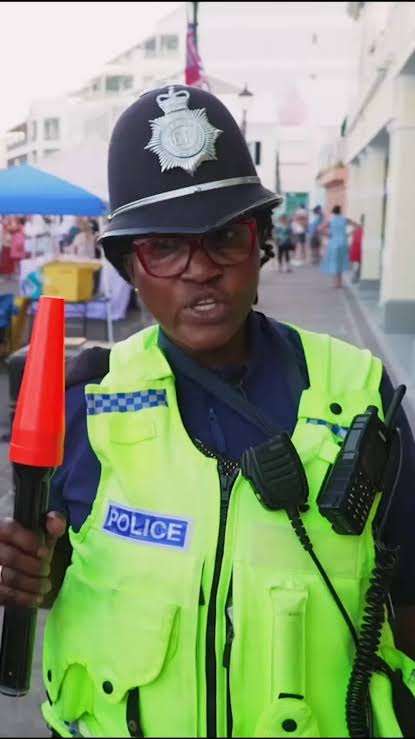
“Culture is rarely changed by policies. It is changed by people.”
When policing finds itself under scrutiny, one phrase often dominates the conversation: “We need officers of good character.” Recruitment becomes the focus. It’s hard to disagree with the need for officers of good character. I don’t agree that recruitment is the problem. I really think we recruit good people.
Police officers hold extraordinary powers. They can stop people, search them, arrest them, enter homes, deprive people of their liberty and, in exceptional circumstances, use force. With those powers comes an equally extraordinary expectation that they will exercise them wisely, fairly and with restraint. So yes, character matters. But I think we need to go one step further.
My title ‘Character matters. But characters matter more.’ That may sound like wordplay, but it reflects an important truth. We often talk about character as though it is simply a personal quality. Integrity. Honesty. Compassion. Courage. Humility. These are essential. Yet policing organisations are not led by concepts of what type of officer are needed. They are shaped by characters—real people whose behaviour everyone else watches and that’s where culture lives.
I’ve just finished watching the first season of ‘Policing in Paradise’. If you haven’t watched the series, please find some time to do so. What stands out to me are the officers from the Bermuda Police Service who were followed by the BBC film crew making the programme. They are all characters and I know that, because I’ve met them all. Earlier this year I spent two weeks working across the entire Bermudian policing organisation. Alongside the beauty of the island itself I was captured by a number of officers who welcomed me, helped me, fed me, socialised with me and importantly engaged themselves in the training programme I was delivering. That stood out because the topic of the training focused on police culture.
Watching the series I remembered how these officers made me feel and how their presence commanded respect in the training rooms. It took me back to my early years in policing. I reflected on those officers who back then were characters. Looking back, they were characters for the wrong reasons. They were loud, overconfident, disrespectful, liked a drink and whilst they may have been ‘good thief catchers’ their character didn’t reflect the values of a policing organisation tasked with keeping communities safe. Other officers who displayed kindness to people that had been arrested were seen as soft. Officers who openly showed respect to woman officers were not really celebrated.
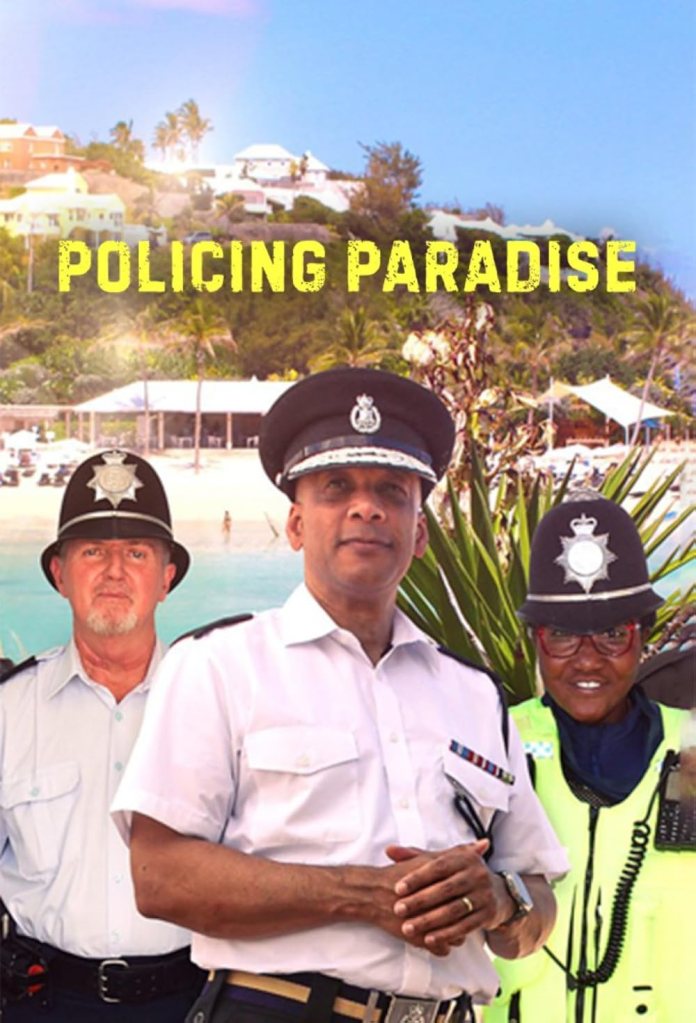
This distinction between characters is important and for policing to rebuild trust, it must celebrate the right type of character.
We learn from people, not posters
Every police organisation has a Code of Ethics. Every force has values. Every leader speaks about professionalism, integrity and public trust. Yet ask any officer how they really learned policing, and most won’t start with a policy document. They’ll tell you about people. The tutor constable who treated every victim with dignity. The supervisor who remained calm under pressure. The inspector who admitted when they got something wrong or perhaps the experienced officer who quietly showed that cutting corners was acceptable.
The lesson is the same. People don’t just hear what organisations value. They watch what influential people value. The psychologist Albert Bandura called this social learning. Human beings learn by observing others. We copy behaviours that appear normal, rewarded or successful. That means every experienced officer is teaching something. The only question is what.
Good characters create good cultures
When I say “characters”, I don’t mean loud personalities or larger-than-life figures.
I mean people whose character consistently shapes those around them. The officer who challenges respectfully. The sergeant who listens before judging. The supervisor who thanks a colleague for speaking up rather than seeing challenge as disloyalty. These people become cultural reference points. Without realising it, others begin to think: “That’s how we do things here.”
Culture spreads through imitation long before it spreads through instruction.
Character is contagious
This is true for good behaviour. Unfortunately, it is equally true for poor behaviour.
A dismissive joke that goes unchallenged. A corner cut because everyone is busy. A sarcastic remark about a vulnerable victim. Each one seems insignificant on its own but together they begin to establish what is normal. This is precisely why Ervin Staub describes harm as an evolution. Major misconduct rarely appears without warning. It grows from small behaviours that become accepted because nobody interrupts them. Not because people suddenly lose their character but because the characters around them redefine what feels normal.
The danger of the “bad apple” mindset
Too often, policing responds to failure by searching for bad individuals. Sometimes those individuals exist but focusing only on them allows everyone else to breathe a sigh of relief, “That wasn’t us.” Yet decades of behavioural science tell us something more uncomfortable.
Philip Zimbardo demonstrated how situations influence behaviour. Stanley Milgram showed the powerful effect of authority. Catherine Sanderson in her great book ‘Why We Act’ explains why ordinary people often remain silent even when they know something is wrong. None of this suggests character doesn’t matter. It suggests that character needs support. Even good people need good cultures.
The characters people remember
Think back over your own career. Who shaped you? I suspect it wasn’t a policy manual. It was people. Perhaps someone who always remained respectful under pressure. Someone who apologised after making a mistake. Someone who quietly stepped in when a colleague was struggling. Someone who treated every member of the public as though they mattered. Those people leave fingerprints on. organisational culture long after they’ve retired. Not because of their rank because of their character.
For me looking back two officers stood out. My tutor cop Les was a master at caring for people. He was firm but fair. He saw the hurt in people who had hurt people. One of my early Sergeants, David made it ok for me to admit my mistakes. He told me if I made a mistake, he wanted to be told. He said we can fix mistakes. He also told me not to hide my errors as fixing them would become more difficult and my own character would be damaged. I carried these learnings across my policing career.
This is why active bystandership matters
Active bystandership isn’t simply about stopping misconduct. It is about creating more positive role models. Every respectful intervention says: “This is how we behave here.” Every leader who accepts challenge demonstrates humility. Every colleague who checks on another officer models compassion. Every apology models accountability. These moments teach culture far more effectively than another mandatory training package.
Leaders create more leaders
The best leaders understand that they are always being watched. Not in a cynical sense more in a human sense. People observe what leaders praise. What they tolerate. How they respond under pressure. Whether they genuinely welcome challenge. Whether they admit mistakes. Whether they treat everyone with respect. The same applies to the characters who understand all of the above.
As organisational scholar Edgar Schein argued, culture is reinforced by what leaders consistently pay attention to, reward and tolerate. In other words, leaders don’t simply communicate culture they embody it.
Protecting the good in good people
One of the questions I often ask organisations is this: How are you protecting the good in your good people? As i say above recruitment isn’t the issue. The pressures of policing are real. Trauma, fatigue, public criticism, operational stress and hierarchy shape behaviour. The answer isn’t simply to recruit people of good character. It is to surround them with characters who reinforce the very best version of themselves. People who make integrity easier. People who normalise courage. People who demonstrate humility. People who remind colleagues, every single day, what good policing looks like.
So yes, character matters. It always will, but organisations don’t experience character as an abstract virtue. They experience it through people. Through the constable who chooses dignity over cynicism. Through the supervisor who welcomes challenge. Through the inspector who admits mistakes. Through the colleague who quietly says, “Can we think about that differently?”
Those are the characters who shape culture because in policing, culture is rarely built by policies or presentations, it is built by the people others choose to follow. It is people of good character who inspire, protect and sustain the character of everyone around them. If policing is serious about building healthier cultures, that is where its greatest investment should be, not simply in teaching values, but in developing the people who bring those values to life every single day.
“Policing is in my DNA”
The above is a quote from the BBC Programme i referenced earlier and is said by Constable Carol Skerret in the programme. That was clear when I met Carol. She is a true character and sets a tone for those she works with every day. Her passion is infectious and will help shape future generations of police officers on the beautiful island of Bermuda.