
This morning I’m sitting watching the original Peter Pan with my three-year-old granddaughter Arra. It’s her first time seeing it. I’ve lost count of the number of times I’ve watched this as a kid and with my own daughters. Watching it through her eyes reminded me that some of the most powerful lessons about human behaviour don’t always come from academic journals or training courses. Sometimes they come from stories that have been passed down through generations.
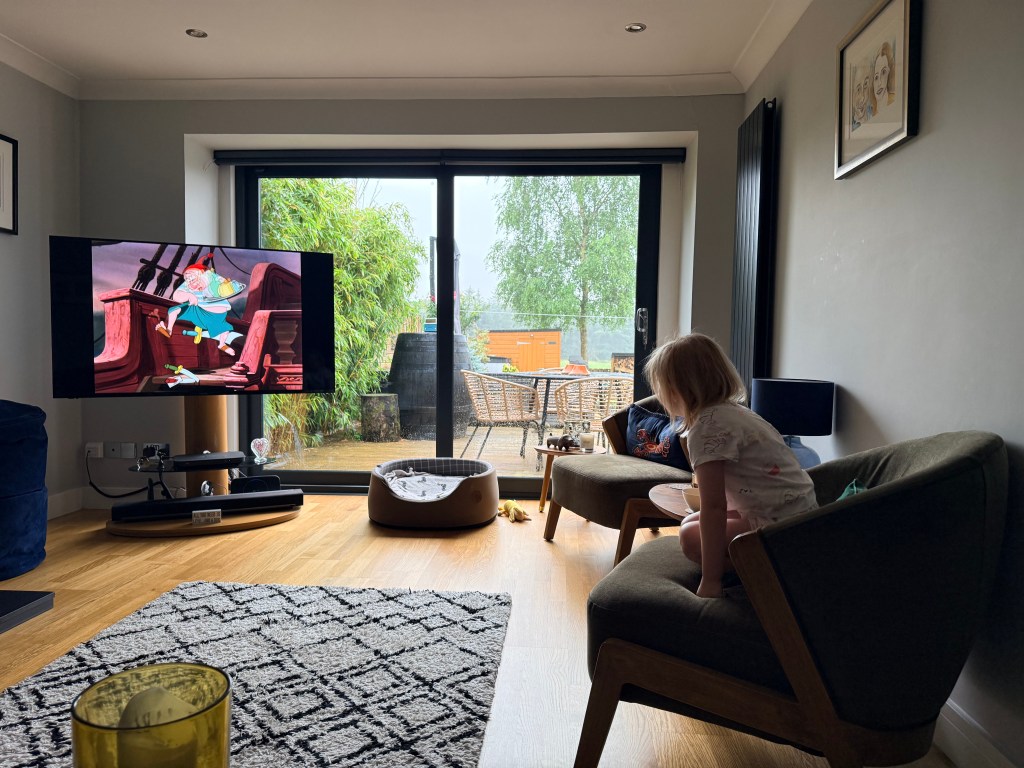
The original Peter Pan made in 1953 isn’t simply about a flying boy or a fairy called Tinkerbell. It’s about choices, courage, friendship and standing up for what’s right, qualities that for me are at the heart of active bystandership
As we watched, she was full of questions.
“Why is Peter Pan fighting Captain Hook?”
“Why is Captain Hook so mean?”
“Why is Tinker Bell cross?”
Children are naturally curious. They don’t just watch events unfold; they want to understand them. That struck me because curiosity is one of the foundations of active bystandership. Before we ever intervene, we first must notice something. Then we have to wonder. Is everyone okay? Why is that person behaving like that? Should someone do something?
Without curiosity, we often walk past situations without giving them a second thought.
The film also highlights the importance of empathy. Wendy doesn’t simply see the Lost Boys as children causing chaos. She sees youngsters who need kindness, guidance and someone to care about them. Empathy allows us to move beyond “that’s not my problem” towards “what can I do to help?”
Research tells us that empathy is one of the strongest predictors of helping behaviour. We are far more likely to act when we can imagine what another person is feeling.
Then there is courage. Peter Pan appears fearless, but what stands out is his willingness to act. Every active bystander faces that same moment of decision. Do I stay silent, or do I step forward? Do I pretend I haven’t seen it, or do I check if someone is okay?
Courage is rarely dramatic. More often it sounds like: “Are you alright?” “Can I help?” “I don’t think that’s okay.” These small acts can completely change the direction of someone’s day—or even their life.
Captain Hook and his crew provide another lesson. Hook’s authority goes largely unchallenged, even when his behaviour is clearly wrong. It is a reminder that harmful cultures are rarely created by one individual alone. They survive because those around them find it easier to stay silent than to speak up. Whether it’s a workplace, a sports team, a school or even a pirate ship, silence can become contagious. Thankfully, so can courage.
Perhaps the biggest lesson, however, came from sitting beside my granddaughter.
She laughed at kindness and the Crocodile. She worried when characters were in danger. She celebrated those who helped others. Without realising it, she was practising empathy, perspective-taking and moral reasoning, the very qualities we spend so much time trying to develop in adults through active bystandership training.
I thought to myself, that’s where active bystandership truly begins. Not in the boardroom. Not in a training room but on the living room floor, sharing stories that encourage children to care, ask questions and stand up for others. Perhaps our role isn’t to teach children how to become active bystanders. Perhaps it’s to make sure they never lose the curiosity, empathy and courage they already possess. With a range of motivators, action will come naturally.

