
I’ve just spent a week in the Black Forest of southern Germany. Ancient Romans found the thick forest here both mysterious and inaccessible. Today it’s a haven for hikers, cuckoo clock enthusiastic and cake lovers. Personally, I like the odd hike, I’m not much of a clock fan. I like cake.
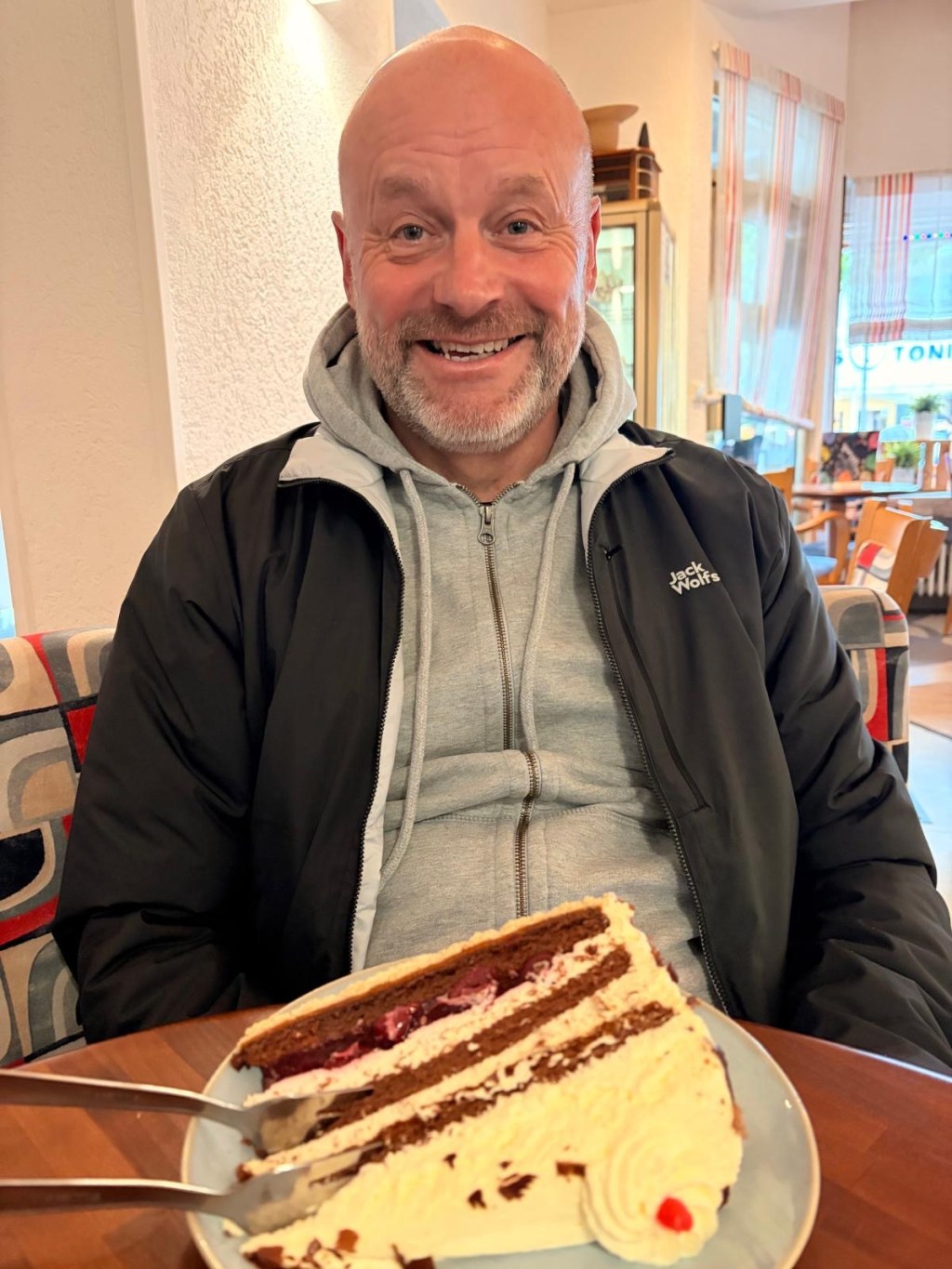
The Back Forest Gateau has its origins in Germany. In 1915 a pastry chef named Josef Keller is said to have made the first black forest cake in his tearoom in Bad Godesburg in the suburbs of Western German town of Bonn. Its links to the Black Forest come from a cherry brandy from the Black Forest used to soak the cherries used in the cake.
The beauty of a Black Forest gateau is not found in a single ingredient. It works because every layer matters. The rich sponge, the cherries. the cream. This careful structure has a simple job of holding it all together. Remove one element and the whole thing becomes unstable, dry, flat, or messy.
High-performing organisations like the police fire and military are exactly the same.
Too often, culture is treated as something created only at the top, a strategic vision written by senior leaders and pushed downward through policies, briefings, and slogans. Real culture is more like a Black Forest gateau: it depends on strong foundations and the quality of every layer throughout the organisation. The most resilient operational cultures are built both top down and ground up.
The Sponge: Leadership Sets the Structure
In a Black Forest gateau, the sponge provides the framework. Without it, the dessert collapses. In likes policing and military environments, leadership provides that structural base. Leaders define:
- Standards
- Expectations
- Psychological safety
- Operational ethics
- Accountability
- Mission focus
People watch leaders constantly. Not only what they say, but what they tolerate. If senior officers or commanders ignore toxic behaviour, dismiss concerns, or reward ego over integrity, the message spreads quickly through the ranks. Culture is rarely built through mission statements. It is built through repeated behaviour, consistency.
Strong leadership creates stability in uncertain environments. It gives people confidence to act, speak up, and support one another under pressure. But structure alone is not enough. A cake made only of sponge is dry and forgettable.
The Cream: The Ground-Level Culture
The cream in a Black Forest gateaux spreads through every layer. It connects everything together. That is the role of frontline culture. Constables, firefighters, soldiers, sergeants, corporals, custody staff, response teams, instructors, and supervisors all shape the lived reality of the workplace every single day.
This is where culture becomes real:
- How new recruits are treated
- Whether mistakes become learning opportunities
- Whether gossip is challenged
- Whether wellbeing is protected
- Whether intervention is encouraged
- Whether people feel safe speaking up
A ground-up culture is powered by active bystandership. It means people do not simply witness standards; they protect them. In elite high risk operational environments, this matters enormously. Research from aviation, healthcare, and military psychology consistently shows that disasters are rarely caused by lack of technical skill alone. More often, failures emerge because people noticed problems but felt unable to speak.
Ground-up culture closes that gap. It creates teams where intervention is normal rather than exceptional.
The Cherries: Moments That People Remember
Nobody remembers a Black Forest gateau because of the flour. They remember the cherries. In policing and military life, people remember key moments too:
- The supervisor who backed them publicly
- The colleague who checked in after trauma exposure
- The teammate who challenged dangerous behaviour
- The leader who admitted mistakes
- The instructor who treated people with dignity under pressure
These moments become cultural anchors. One positive act of active bystandership can shape someone’s confidence for years. Equally, one humiliating or toxic experience can poison trust across an entire team. Culture is often built in ordinary moments, not grand speeches.
Too Much Top Down Creates Fear
A cake with too much structure and no softness becomes rigid. The same happens in organisations dominated entirely by hierarchy. In police and military settings, command structures are essential during critical incidents. However when culture becomes excessively top-down, several risks appear:
- Staff stop speaking honestly
- Innovation disappears
- Near misses go unreported
- People comply publicly but disengage privately
- Toxic subcultures thrive underground
Fear-based cultures may achieve short-term compliance, but they weaken resilience.
People become performers instead of contributors. Operational organisations need discipline, but they also need trust. Active bystandership presents ways for leaders to go ‘under the hood’ to craft and support relationships.
Too Much Ground Up Creates Drift
The opposite problem also exists. Without clear leadership standards, teams can create fragmented microcultures where:
- Poor behaviour becomes normalised
- Cynicism spreads
- Informal power replaces accountability
- “This is just how we do things” overrides values
In these environments, harmful traditions can survive for years unchecked. That is why healthy culture requires both direction from above and ownership from below. The strongest organisations combine:
- Clear standards from leaders
- Courageous accountability from peers
- Everyday intervention from staff
- Shared ownership of behaviour
Active Bystandership Is the Cherry Layer Between Both
Active bystandership connects top-down leadership with ground-up ownership.
It gives individuals permission and practical tools to:
- Interrupt harmful behaviour
- Support vulnerable colleagues
- Challenge unsafe decisions
- Prevent ethical drift
- Reinforce positive standards
Importantly, active bystandership is not about confrontation alone. In policing and military environments, it often looks like:
- Quiet check-ins
- Tactical questioning
- Redirecting conversations
- Supporting wellbeing
- Encouraging reflection
- Modelling calm professionalism
The best cultures are not built by fearless people. They are built by people who feel supported enough to act despite discomfort and where doing nothing is considered going against the norm.
The Best Gateaux Is Balanced
A great Black Forest gateaux has balance. Not too dry. Not too soft. Not too sweet. Not collapsing under its own weight. The same is true of operational culture. The police and military perform extraordinary roles under pressure, uncertainty, scrutiny, and trauma exposure. They need cultures that are disciplined yet human, structured yet adaptable, accountable yet supportive. That cannot come from leaders alone and it cannot come from frontline staff alone.
It requires everyone contributing their layer. Because in the end, culture is not a poster on a wall. It is the sum of thousands of daily behaviours, stacked carefully together over time, like the layers of a Black Forest gateaux.
I’m now off for a run to offset my cake intake.


I wonder what culinary creation I could use as a metaphor for the probation service of England and Wales, contrasting to a smarter dessert from N Ireland and a smoother version taking shape in Wales?
LikeLike