
“We don’t grow older. We grow riper.” — Pablo Picasso
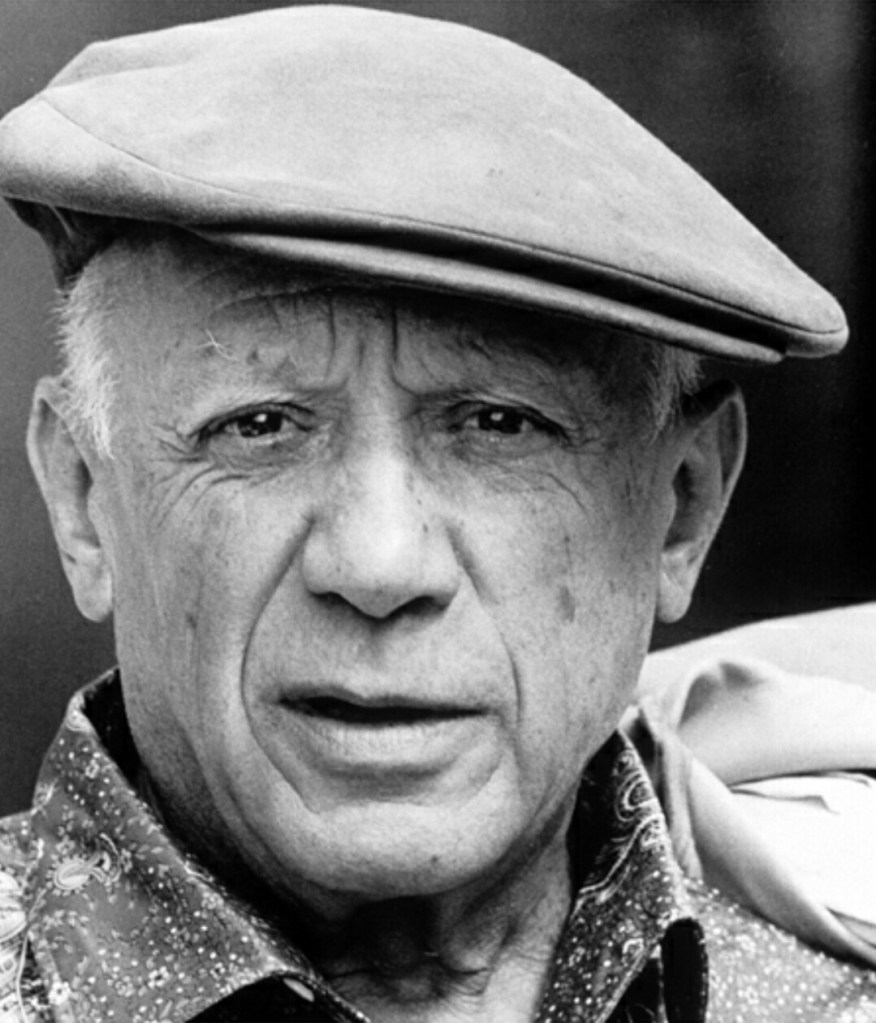
I was wandering around a bookshop recently with my book-mad wife. I stumbled across this quote from Pablo Picasso. In my work, I often talk about the transitions in our lives. From our early years to our teenage years. From our teens into our 20’s and then into our 30’s. My reading tells me that as we get older, many of us find it more difficult to intervene. As we move through life, we learn more about the consequences of standing out. With strangers, we may get hurt. With friends, we risk isolation. A recent chat with a psychologist suggested that whilst this is the case in our 20’s and 30’s emerging evidence suggests that older age groups are becoming more likely to act when they see harm.
Let’s be honest. If someone described you as “ripe”, your first instinct might be to check whether they’ve mistaken you for a banana that’s been sitting in the fruit bowl for a week. Ageing doesn’t always have the best marketing department. Society bombards us with anti-ageing creams, miracle supplements and advertisements suggesting that wrinkles are somehow evidence of personal failure. Grey hair is something to hide. Slower running times are something to apologise for. Birthday cards become increasingly sarcastic. Yet Picasso had a different take.
He didn’t say we become older. He said we become riper. I love that word. Ripeness suggests growth rather than decline. It implies that time adds something rather than subtracts it. A ripe apple is sweeter than an unripe one. A mature cheese is richer. Good wine improves with age. (Well… at least that’s what I tell myself when buying an expensive bottle.). Perhaps people aren’t so different.
Increasingly, psychology suggests that as many of us grow older, we also become more likely to step forward when others need help. In the language of my own work, we become better active bystanders. That’s worth exploring.
The Curious Case Of Becoming Braver
If you’ve spent any time studying active bystandership, as I have, you’ll know that much of the research focuses on why people don’t act. We know about the bystander effect. We know about conformity. We know about obedience to authority. We know about fear of embarrassment or the perils of ambiguity. These are powerful psychological forces. Yet there is another, quieter story emerging.
Several studies suggest that older adults are often more willing to intervene in situations involving strangers, injustice or vulnerability. Not because they possess superhero powers. Not because they fear less, but because they often care less about what others think of them. That’s quite liberating.
At twenty-five, many of us worry about fitting in. At fifty-five, many of us wonder why we spent so much time worrying in the first place. Experience has a funny way of rearranging priorities. Psychologists use the term the ‘age-related positivity effect’. This describes a tendency, often in later adulthood, to pay more attention to, remember and prioritise positive information while giving less weight to more negative information
The Freedom That Comes With Ripening
When we’re younger, social approval can feel like oxygen.
Will people laugh?
Will I look stupid?
Will someone think I’m overreacting?
These questions can silence us. As we age, something changes. We’ve survived awkward moments. We’ve embarrassed ourselves. We’ve made mistakes. We’ve recovered. We’ve discovered that most people are far too busy worrying about themselves to spend much time analysing us. That realisation is surprisingly freeing.
Ripeness brings perspective. It also brings confidence. Not the loud confidence that demands attention. The quieter confidence that simply says: “I know what’s right.”
Experience is an incredible teacher
Life has a habit of educating us. Perhaps we’ve watched someone suffer because nobody spoke up. Perhaps we’ve regretted staying silent ourselves. Perhaps we’ve experienced bullying, discrimination, poor leadership, unsafe workplaces, family conflict, or loss. Each experience leaves behind something valuable. Not scars alone, but wisdom.
Psychologists sometimes describe this as crystallised intelligence, the knowledge and judgement accumulated through years of living. Unlike raw processing speed, which may decline slightly with age, judgement often improves.
That’s good news for organisations because speaking up isn’t usually about being the fastest thinker. It’s about recognising when something doesn’t feel right.
Less Ego. More Purpose.
One of the most refreshing things about many older adults is that they often care less about impressing people. Status matters less. Titles matter less. Looking clever matters less. Helping people matters more. That’s fertile ground for active bystandership. The question quietly shifts from: “What will people think of me?”
To “What happens if nobody does anything?” That’s a profound psychological transition.
Ripeness and Moral Courage
Active bystandership isn’t about being fearless. It’s about acting despite discomfort.
Older adults haven’t eliminated fear. They’ve simply learned that fear isn’t always the best decision-maker. Life has shown them something important: regret often lasts longer than embarrassment. Most people can remember occasions when they wished they had spoken up. Few can remember the last time they briefly looked foolish for doing the right thing. That calculation changes over time, with age.
The Workplace Needs Ripe People
Many organisations celebrate experience because it improves technical performance. Experienced nurses spot deterioration earlier. Experienced police officers notice behavioural cues. Experienced firefighters recognise danger sooner. Experienced teachers sense when a child isn’t coping. These are all true, but perhaps we’ve overlooked another contribution. Older colleagues often become cultural guardians.
They know when conversations cross the line.
They recognise harmful humour.
They notice exclusion.
They’ve seen enough workplace inquiries to understand how small problems become organisational scandals.
Perhaps that’s why their voice matters so much. Not because they know everything, but because they’ve seen enough to know what happens when nobody speaks.
Growing Older Doesn’t Guarantee Courage
Let’s be careful, age alone doesn’t make someone an active bystander.
Some people become more cynical.
Some become more withdrawn.
Some remain silent throughout life.
Ripening isn’t automatic. Fruit only ripens under the right conditions. So do people. People benefit from healthy relationships, self-reflection, learning, compassion and curiosity. These are what transform experience into wisdom. Without reflection, experience simply becomes repetition.
What Younger People Can Borrow
Here’s the encouraging part. You don’t have to wait until retirement to become ripe.
You can accelerate the process. Spend time with people who have lived well. Reflect on your mistakes instead of hiding them. Ask difficult questions. Practise speaking up in small moments. Become comfortable with temporary discomfort. This is why in-person group learning is essential if we want to create healthy and safe workplaces.
Ripeness can begin surprisingly early.
Perhaps Picasso was talking about more than art
Artists often notice truths before scientists find evidence. Of course Picasso’s quote wasn’t about neuroscience or psychology. Yet it captures something beautifully human. We spend much of life accumulating stories. Some joyful, some painful, some embarrassing, some heartbreaking.
Together they become wisdom. They teach us patience, perspective, empathy, and, sometimes, courage.
The kind of courage that quietly asks someone if they’re okay.
The kind that challenges an inappropriate joke.
The kind that checks on an elderly neighbour during a heatwave.
The kind that refuses to walk past someone in need.
None of these actions requires extraordinary people. Only ripe ones.
A Final Thought
Perhaps we’ve been measuring ageing all wrong. Instead of counting birthdays, maybe we should count moments of courage. Instead of asking how old someone is, perhaps we should ask what life has taught them. Every year offers another opportunity to become a little kinder, a little wiser, a little less worried about appearances, and a little more willing to act when it matters.
So, the next time someone jokes about getting older, smile. Tell them Picasso had it right. You’re not getting older. You’re getting riper, and if the research is right, you might also be becoming exactly the kind of active bystander the world needs most.

